Two in the Morning and Starving: The Road Food Rituals That Keep Touring Musicians Alive
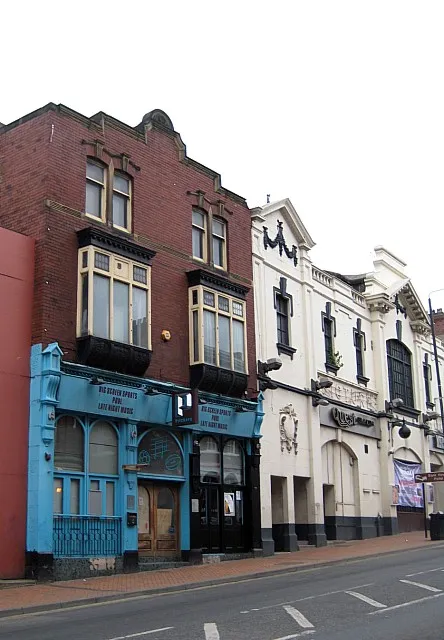
Photo: Mike Kirby, CC BY-SA 2.0, via Wikimedia Commons
The show ends around midnight. Load-out takes another hour, sometimes more if the stage is deep or the crew is running on fumes. By the time everyone's in the van and the gear is strapped down, it's 1:30 in the morning and nobody has eaten a real meal since that gas station sandwich somewhere around 4 PM.
This is the moment every touring musician knows in their bones. The post-show hunger. It's specific, it's urgent, and it has produced some of the best stories the road has to offer.
"There's this thing that happens after a good show where you're still kind of buzzing from the energy," says Marcus, a keyboardist who's been touring with various jam projects out of the Asheville scene for the better part of seven years. "And then your body just goes: okay, but we need food immediately. It's like your metabolism waited politely until the encore was done."
The Great American Diner at 2 AM
For touring musicians, the 24-hour diner isn't just a practical solution — it's practically a cultural institution. There's something about sliding into a vinyl booth with your bandmates at 2 AM, still a little sweat-damp from the stage, and ordering eggs and coffee from a server who has absolutely seen weirder things than a van full of musicians with road dust on their boots.
Some diners have become legitimate landmarks on the touring circuit, known by word of mouth among musicians the way setlists get passed around between fans.
"There's a place outside of Columbus, Ohio — I'm not even going to say the name because I feel like it's our secret — where the hash browns are genuinely the best thing I've eaten on the road," says Delia, a bassist who's logged time with three different touring acts over the past decade. "We have gone 45 minutes out of our way to hit that diner. It's become a thing. If we're anywhere near central Ohio, we're going."
That kind of loyalty is common. Ask any touring musician about their road food rituals and they'll light up in a way they might not even for their favorite venues. The meals are tied to memories, to specific tours, to the particular exhausted euphoria of a night that went exactly right.
Truck Stops: Misunderstood and Underrated
There's a reflexive dismissal of truck stop food that, according to most seasoned road travelers, is completely unearned. The big travel centers — your Pilot Flying J's, your Love's, your TA locations — have evolved significantly in the past decade. But it's the smaller, independent truck stops, the ones that still have a full diner counter and a hand-written pie selection on a chalkboard, where the real discoveries happen.
"People are snobby about truck stops and I genuinely don't understand it," says Jamie, a guitarist and de facto van driver for a four-piece outfit out of Denver. "I have eaten a chicken fried steak at a truck stop in western Kansas that I think about regularly. I dream about it. The gravy situation was extraordinary."
The truck stop also serves a practical function beyond food. It's fuel, it's a restroom, it's a place to stretch legs that have been folded into a van for four hours. But the meal is the ritual. The act of sitting down, even on a spinning stool at a counter, and eating something hot with your people — that's what resets the nervous system after a long night.
Regional Discoveries and the Oral Tradition of Road Food
One of the most underappreciated ways that touring musicians share knowledge is through food recommendations. It travels through the scene the same way a good opening band tip does — passed along at festivals, texted between tour managers, mentioned in green room conversations.
"We have a running list in our group chat," says Marcus. "It started as a joke and now it's like 60 entries long. Specific addresses, what to order, what to avoid. There's a crawfish place in Lafayette, Louisiana that I only know about because another band told us about it after a festival in 2019. It's become a pilgrimage. We plan routing partly around whether we can hit it."
This oral tradition extends to regional specificity in a way that feels genuinely meaningful. The tamale spot in Mississippi that doesn't have a sign. The barbecue joint in Memphis that opens at 6 AM and is already halfway sold out of ribs. The breakfast burrito truck in Albuquerque that parks outside a specific gas station on weekend mornings. These aren't places you find in a travel guide. They're passed hand to hand, musician to musician, tour to tour.
Delia remembers a late-night discovery in rural Georgia that she still talks about. "We broke down — like, actually broke down, not metaphorically — outside this tiny town at midnight. While we were waiting for a tow, someone in the band walked down the road and found this little spot that was technically closed but the owner was still there cleaning up. She fed us. I mean, she just fed us. Biscuits and sausage gravy and sweet tea. We sat on her porch. I don't know if I've ever felt more grateful for a meal in my life."
Food as Recovery and Community
There's a recovery function to the post-show meal that goes beyond calories. After hours of performance energy — the concentration, the communication between musicians, the physical output of playing — sitting down to eat together is a kind of decompression ritual. It's where the show gets processed. Where the moments that worked get celebrated and the ones that didn't get laughed off.
"The meal after the show is honestly where a lot of the best band conversations happen," Jamie says. "You're tired, you're fed, nobody's performing for an audience anymore. You just talk. About the music, about life, about whatever. Some of my best memories from touring aren't even from the stage — they're from a booth somewhere at 2 AM."
That's the thing about road food that doesn't get enough credit. It's not just sustenance. It's the unofficial closing ceremony of every night on tour. The last shared ritual before someone drives and someone sleeps and the miles roll on toward the next city, the next show, the next meal waiting somewhere down the road.