Garages, Communes, and Converted Barns: The DIY Spaces Rewriting Jam Culture's Venue Map
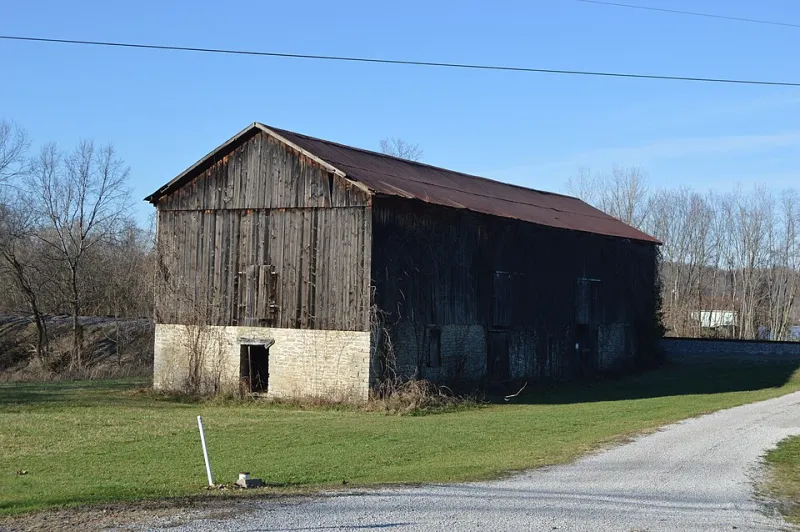
Photo: Rhagfyr, CC0, via Wikimedia Commons
There's a converted auto garage on the outskirts of Chattanooga that doesn't have a name on any door. It doesn't have a Ticketmaster page. You find out about shows there through a group chat, or because someone you trust hands you a flyer, or because you've been coming long enough that you're just on the list. The PA system is a patchwork of donations and lucky finds. The stage is three pallets and a sheet of plywood. On any given Saturday night, it holds 60 people who would rather be here than anywhere else in the city.
This is where jam culture is growing right now — not in the amphitheaters or the mid-size clubs, but in the margins. In the converted, the repurposed, the quietly radical.
Why the Traditional Venue Model Is Losing the Plot
The economics of live music venues in the US have been under pressure for years. Rising commercial rents, insurance costs, sound ordinance battles, and the post-pandemic reconfiguration of nightlife have made it genuinely hard to run a small music room as a sustainable business. A lot of beloved spaces have closed. Others have been forced upmarket, booking safer acts and charging more at the door.
For jam bands and their audiences — who tend to value long sets, improvisation, and community over spectacle — the traditional venue model was already a compromise. Bars with noise curfews. Clubs that cut the set short. Promoters more interested in the bar tab than the music.
So communities started building their own alternatives. And those alternatives are getting interesting.
The Living Room Circuit Gets Serious
House shows have always existed in the jam world, but something has shifted in recent years. What used to be casual, one-off events hosted by enthusiastic fans have, in some cases, evolved into semi-permanent community infrastructure.
In Olympia, Washington, a collective of about a dozen musicians and fans co-owns a property they call the Clearing. It started as a place to rehearse and record. Within a year, it was hosting monthly shows. Now it runs a loose residency program for touring bands, offering crash space, a full backline, and a 100-person outdoor setup in exchange for a portion of the door.
"We didn't set out to become a venue," says one of the collective's founding members. "We just kept saying yes to bands we loved, and eventually we had to get serious about what we were doing."
The Clearing operates on a sliding-scale donation model. There are no ticket prices, no drink minimums, no age restrictions. The community that has grown around it is multigenerational and fiercely loyal — exactly the kind of audience that jam culture produces when it's given space to breathe.
Compound Culture: More Than a Place to Play
Some of the most compelling grassroots spaces aren't just venues — they're full ecosystems. In the hill country outside of Austin, a property known informally as the Mesa hosts shows, but it also runs workshops, facilitates gear swaps, and maintains a small recording setup. Bands that pass through often leave something behind — a track, a collaboration, a connection that carries forward.
The Mesa grew out of a single touring musician's decision to stop paying rent in the city and invest in land instead. What started as a personal project became communal almost immediately. "People just kept showing up," he says. "And I kept saying, well, bring something to contribute and you can stay a while."
That ethos — show up, contribute, stay — echoes through a lot of these spaces. They're not passive consumers of culture. They're making it, shaping it, passing it on.
In western North Carolina, a similar compound hosts what its organizers describe as "listening weekends" — multi-day events where two or three bands cycle through sets over a Saturday and Sunday, camping is encouraged, and the whole thing operates more like a micro-festival than a traditional show. Capacity is intentionally capped at 150. The waiting list to perform is months long.
The Economics of Doing It Yourself
One of the most striking things about these spaces is how they handle money — or rather, how differently they think about it compared to conventional venues.
A traditional small venue needs to cover rent, staff, utilities, insurance, and licensing before a single dollar goes to the band. The margins are brutal, and they tend to produce a certain kind of pressure that filters down to every booking decision.
DIY community spaces often operate with dramatically lower overhead. When you own or collectively hold the property, when your sound system was donated or built piece by piece, when your "staff" is a rotating cast of volunteers who are also fans — the math changes entirely.
"We can afford to book a band that draws 40 people and still have it be a good night," says the organizer of a converted barn space in rural Vermont that's become a quiet landmark on the Northeast touring circuit. "A traditional club can't say that. They need 150 people at the bar. We just need people to show up and care."
That flexibility has made these spaces genuinely important to developing and mid-level touring acts — bands that are too big for house shows but not yet big enough to fill a 500-cap room. The community venue fills a gap that the commercial market has largely abandoned.
Challenges and the Long Game
None of this is without friction. Zoning laws, noise complaints, and permitting requirements create real obstacles for spaces operating outside of commercial frameworks. Some have been shut down. Others operate in a deliberate gray zone, keeping things low-profile enough to avoid scrutiny.
There are also internal challenges. Collective ownership is hard. Decision-making by committee is slow. When a space grows popular enough to attract larger crowds, the original community that built it sometimes feels displaced.
"We've had to have some hard conversations about what we want to be," admits one organizer. "There's always pressure to grow, to do more, to be more professional. And sometimes that pressure comes from people who love the space and want to see it succeed. But we have to keep asking: succeed at what, exactly?"
Those conversations — about scale, about purpose, about who a space is actually for — are healthy ones. They're the kind of questions that commercial venues rarely get to ask.
What This Means for the Road
For touring jam bands, the growth of these community spaces is quietly transformative. It means more stops on routes that used to go dark. It means more nights where the vibe is right, where the audience is genuinely invested, where a four-hour set isn't just tolerated but celebrated.
It also means a different kind of relationship between bands and the places they play. When you're performing in someone's converted garage or on a property that a community built together, the transaction feels different. Less transactional. More like the thing itself.
"Those are the shows I remember," says one touring guitarist who's played everything from festival main stages to living rooms. "Not the biggest rooms. The ones where it felt like everybody there was in on something together."
That feeling — of being in on something — is what the jam world has always chased. These spaces are just getting better at building the container for it.