Called It: The Secret Art of Deciding What Gets Played Tonight

Photo by Photo by Jonathan Ikemura on Unsplash on Unsplash
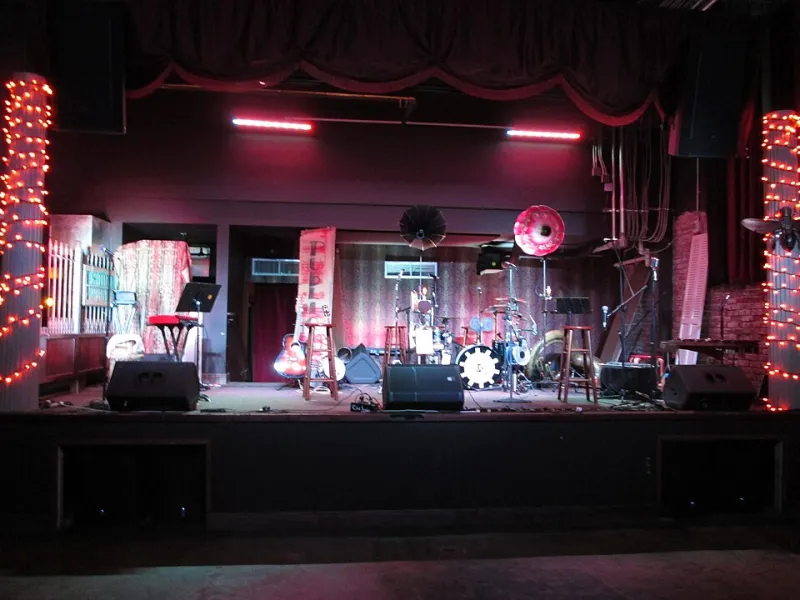
There's a moment, usually somewhere between soundcheck and doors opening, when someone in the band pulls out a phone or a crumpled notebook and says, okay, what are we doing tonight? It sounds casual. It rarely is.
For jam bands especially, the question of what to play on any given evening carries a weight that most concertgoers never see. It's not like a pop act running the same forty-five-minute set in every city. These are musicians who might have three hundred songs in active rotation, a fanbase that tracks every note on spreadsheets, and a touring schedule that has them back in the same market two weekends later. The setlist isn't just a playlist. It's a statement.
The Fan Who's Seen Every Show This Run
Anybody who's spent time around the jam scene knows that person. They've driven from Columbus to Cincinnati to Louisville without blinking. They've got a folder on their laptop with every show's setlist going back six years. And they are absolutely, definitely in the front row again tonight.
Bands love these fans. Bands are also slightly terrified of them.
"You start thinking about the people who were in Indianapolis on Thursday," says one guitarist from a Midwestern touring act who asked to stay anonymous. "You know they're going to be in Chicago on Saturday. So now you're building two shows that have to feel completely different to someone who's seen both, but still make sense to the hundred people who are only catching one of them."
That's a genuinely tricky editorial puzzle. Repeat a song and the diehards feel shortchanged. Go too deep into the catalog to avoid repeats and you risk losing the casual fans who just want to hear the one song their friend played them in the car. Most bands end up threading a needle that nobody outside the van ever fully appreciates.
Who Actually Calls It
Every band has a different answer to this one, and almost none of them are willing to be totally honest about it in public. The official line is usually something like, "Oh, we all throw ideas in and figure it out together." The real answer is more complicated.
In some groups, there's a de facto setlist architect—usually the bandleader or the most analytically minded member—who drafts a rough framework that everyone else pushes back on. In others, it's genuinely collaborative, which sounds great until you're forty minutes from showtime and the drummer wants to open with a slow burn and the keys player is lobbying hard for something that'll get the room moving immediately.
"There have been nights where we're still arguing about the first song when the lights go down," admits a bassist from a touring quartet based out of Asheville. "And then somebody just counts it off and whatever comes out, comes out. Sometimes that's actually the best show of the tour."
There's something almost philosophically jam about that. The tension of the decision bleeds into the performance itself. The band's still a little wound up, a little uncertain, and somehow that energy translates.
The Physical Reality Nobody Talks About
Here's a thing that doesn't come up enough in conversations about setlist strategy: bodies get tired.
A touring musician playing five nights a week isn't just making artistic decisions about song selection—they're managing a physical resource. Certain songs demand more from a vocalist. Others are technically demanding enough that a guitarist's hands need to be fresh. If you burned through three of your most intense instrumental pieces on Wednesday, Thursday night might call for something that gives the band room to breathe.
"People think we're up there just vibing and following the music wherever it goes," says one road veteran who's been touring the festival circuit for over a decade. "And yeah, there's real spontaneity. But there's also the fact that my voice is shot from two nights ago and I need to build the set around that without anyone in the audience knowing that's why we're not playing that song."
This is where the catalog depth that defines great jam bands becomes genuinely strategic. Having two hundred songs you can play isn't just about keeping things fresh for the fans. It's about having enough material to work around the realities of a human body doing the same demanding thing night after night.
The Crowd's Invisible Hand
Requests are their own conversation entirely.
Some bands welcome them. Some have a dedicated way to collect them—a whiteboard near the stage door, a note passed through security, a shoutout during the set. Others treat unsolicited requests the way a chef treats a customer trying to rewrite the menu. Politely acknowledged. Quietly ignored.
But even the bands that don't take formal requests will tell you the crowd is always influencing what happens. The energy in the room during the first two songs tells a good bandleader something. A Thursday night crowd in a college town wants something different than a Saturday night crowd at a festival. A room that's dancing early gets a different second set than one that's still warming up.
"You read the room and you adjust," says the Asheville bassist. "We might have a loose plan going in and then completely throw it out after the first song because we can feel what the night is. That's part of what makes this format interesting."
The Setlist After the Show
Here's the part that outsiders find slightly baffling: once the show is over, the setlist becomes a kind of artifact. Fans photograph them off the stage floor. Websites catalog them within hours. Bands sometimes post them themselves, sometimes don't, and the choice carries its own meaning.
There are musicians who deliberately withhold the setlist from pre-show leaks because they want the audience walking in without a roadmap. Others post them early because they think it builds excitement. A few keep meticulous personal records of every show, essentially building a logbook of their own artistic decisions over years on the road.
"I have every setlist I've ever played going back to 2009," says the guitarist from the Midwestern act. "Not because I'm trying to be precious about it. Just because looking back at them tells you something about where you were at. What you were leaning on. What you were avoiding."
That's a kind of road diary that never gets published but carries real weight. The setlist as autobiography.
For all the planning, the politics, and the physical logistics, the thing that keeps coming up in these conversations is how much of setlist strategy is really just trust—trust in the band, trust in the audience, and trust that the music will do what it's supposed to do once the room fills up and the lights go low. The vault is real. But so is the willingness to crack it open and see what happens.