Play It or Lose Them: The Real Cost of Ignoring the Crowd During an Encore
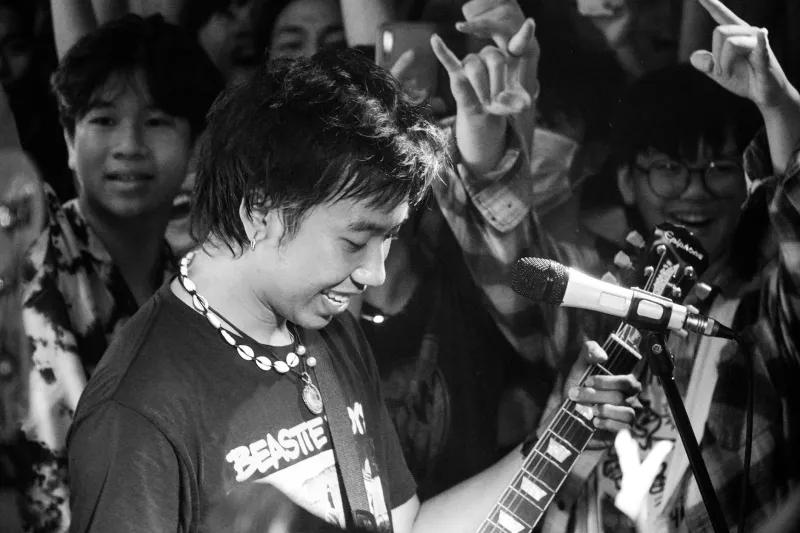
The lights go down. The crowd doesn't. They're stomping, chanting, holding up phones like torches at a revival. And somewhere backstage, four or five musicians are having a very fast, very loaded conversation about what happens next.
Encores in the jam world aren't formalities. They're negotiations. And unlike the polished pop world where the encore is scripted into the production rider, a jam band's last few songs of the night carry genuine weight — for the band and for the people who drove three hours to be there.
The Plan vs. The Room
Most touring jam bands walk into a show with at least a rough idea of how they want to close things out. Maybe it's a slow burner they've been building toward all week. Maybe it's a debut they've been sitting on for the right moment. The encore slot, for a lot of bandleaders, is sacred real estate — the emotional punctuation mark on everything that came before it.
Then the crowd starts chanting something else entirely.
"You can feel it before you even get offstage," says one bandleader who's been running a five-piece out of the Southeast for nearly a decade. "There's a song they want, and they've decided tonight is the night they're getting it. You can just tell. The energy shifts."
That shift is the dilemma in its purest form. The band had a plan. The room has a different one. And now someone has to make a call in about ninety seconds.
What Giving In Actually Means
There's a version of this story where caving to crowd demands is the easiest thing in the world. Give the people what they want. Everybody's happy. You look generous, the room erupts, and everyone goes home feeling like they won something.
But experienced bandleaders are quick to point out that it's rarely that clean.
"If you play the song every time they ask for it, it stops being a gift and starts being an expectation," says a guitarist who fronts a Colorado-based jam outfit known for their sprawling, improv-heavy sets. "And once it's an expectation, you've kind of lost something. The magic of that song is that it meant something when it showed up. If it shows up every single time someone yells loud enough, it means less."
This is the psychology underneath the encore dilemma that doesn't get talked about enough. The crowd thinks they're asking for a song. What they're actually doing, sometimes without realizing it, is testing the band's identity. Will you be who we want you to be tonight, or will you be who you actually are?
Holding the Line Without Losing the Room
The flip side carries its own risks. Bands that ignore crowd energy entirely — that march through their planned encore while the audience is begging for something different — can come across as cold, disconnected, or worse, arrogant. In a genre that prides itself on the communal relationship between stage and floor, that's a real problem.
"There's a difference between holding your artistic ground and just being stubborn," says a bassist from a Midwest touring act that's been grinding the circuit for seven years. "If the crowd is that fired up about a specific song, there's a reason. Maybe it's personal to them. Maybe something happened that night that made it feel right. Ignoring that completely is its own kind of artistic failure."
The bands that seem to navigate this best are the ones who've figured out how to honor the crowd's energy without completely surrendering the wheel. That might mean playing the requested song but taking it somewhere unexpected — stretching it, reinterpreting it, making it feel earned rather than demanded. It might mean acknowledging the request from the stage, explaining briefly why tonight isn't the night, and offering something else that carries the same emotional charge.
What it almost never means is pretending the crowd isn't there.
The Trust Equation
At the core of this whole tension is a question about trust — and it runs both directions.
When a crowd screams for a specific song, part of what they're doing is expressing love. That song matters to them. It's wrapped up in a memory, a relationship, a moment from a previous show. They're not trying to hijack the set; they're trying to connect.
When a band holds to their plan anyway, they're asking the crowd to trust their judgment. To believe that what the band has prepared will be worth it, even if it's not what the audience expected. That's a real ask, especially from fans who've invested money, miles, and emotional energy into being in that room.
"The best shows I've ever played were the ones where we made a decision in that moment that surprised even us," says the Southeast bandleader. "Sometimes we played the song they wanted and turned it into something completely different. Sometimes we played something nobody expected and it floored them. But the worst shows were the ones where we just kind of froze and played it safe. Nobody remembers safe."
What the Encore Reveals
If you want to understand a jam band's relationship with their audience, watch their encore. Not just what they play — watch how the decision gets made. Watch the body language in the wings. Watch whether the bandleader looks out at the crowd before calling the song. Watch whether the musicians look relieved or reluctant when they walk back out.
The encore is where a band's values get exposed in real time. It's where artistic ego and audience love either find a balance or don't. And unlike the rest of the set — which can be planned, rehearsed, and shaped over weeks — the encore happens in the messy, loud, human space between what was supposed to happen and what actually does.
That's the jam world in a nutshell, honestly. The plan is just the starting point. What you do when the room asks for something different — that's the real music.