When Knowing Ruins Everything: The Messy Truth About Setlist Culture in the Jam World
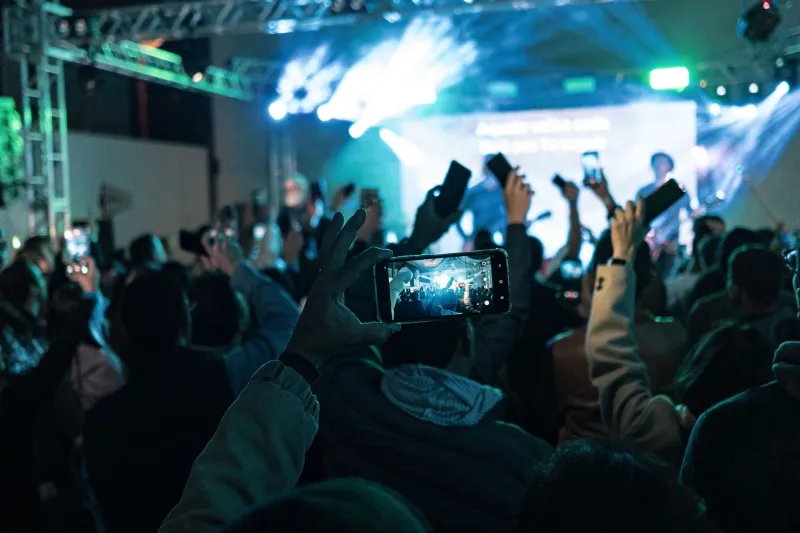
There's a particular kind of magic that happens when a band drops a song nobody expected. The crowd ripples. Someone grabs a stranger's arm. The person who drove nine hours from Columbus to catch a Tuesday night show in a converted warehouse outside Nashville loses their mind completely — because they had no idea that song was coming.
That moment, that specific voltage, is the whole point.
But here's the thing: somewhere across town, or across the country, someone is already typing it into a database. The song title, the key it was played in, the approximate minute mark it started. And by the time the encore hits, there's a decent chance a fan in line for the next night's show already knows exactly what went down.
Welcome to the setlist economy. It's messy, it's real, and the jam world is still figuring out what to do with it.
How We Got Here
Setlist.fm launched back in 2008, and for years it was mostly a niche obsession — the kind of thing hardcore tapers and stat-obsessed deadheads used to track tour patterns and debate whether a band was cycling through their catalog fairly. It was nerdy in the best possible way, and it mostly lived in the background.
Then smartphones happened. Then Instagram stories. Then Reddit threads that updated in real time during sets. Then dedicated Discord servers where someone with a floor-level spot would post song titles between numbers while the band was still on stage.
Suddenly, the information wasn't just available after the fact. It was live. Instantaneous. And for fans attending the following night's show, it became almost impossible to avoid.
"I had a whole group chat where people were updating us during the Saturday show," says Marcus, a touring devotee who's followed three different jam acts across multiple states this year. "By Sunday morning I knew every song they played, in order. And honestly? I kind of hated myself for looking. But I couldn't stop."
The Band's Dilemma
For the musicians themselves, the dynamic is genuinely complicated.
On one hand, setlist documentation is a form of community. It keeps fans engaged between tours, helps newer listeners discover deep cuts they might not have known existed, and creates a kind of living archive that honors the improvisational tradition rather than letting it disappear into the ether. For a genre that's always prided itself on the idea that every show is different, having receipts actually proves that point.
On the other hand, some bands have quietly started adjusting what they're willing to do — and when.
"We used to save certain songs for specific moments," said one guitarist from a mid-sized touring act who asked to stay anonymous. "Like, there's a song we only play when the room earns it, when something clicks and it just feels right. But after a few tours of watching it get posted online before we even finish the set, we started wondering if the anticipation was getting built in the wrong direction. People were coming in expecting it instead of receiving it."
That's the paradox at the center of all this. The documentation that celebrates the music can also subtly domesticate it.
The Superfan Argument
Not everyone sees it that way, though. A vocal contingent of the jam community argues that setlist transparency is actually a net positive — even for the experience of attending shows.
Jenna, who runs a fan forum dedicated to a Pacific Northwest jam act, puts it bluntly: "People act like knowing a setlist ruins the show. But knowing what songs exist doesn't tell you anything about how they're going to play them. A twenty-minute version of a song you've heard a hundred times can still blow the roof off if the band is locked in. The magic isn't in the mystery of the title. It's in the execution."
She has a point. In a genre where the same song can last eight minutes one night and forty-five the next, where jams bleed into each other and the band might not even know where they're going until they get there, a setlist is really just a skeleton. The flesh and blood is still improvised, still alive, still unknowable until it happens.
But there's a counterargument that lives just beneath the surface of that logic: even if the performance is unpredictable, the framing changes. Walking into a show without any foreknowledge means every song lands as a discovery. Walking in knowing the first set was heavy on new material and light on crowd favorites shapes your emotional preparation in ways you might not even consciously register.
Where the Line Gets Drawn
Some bands have started getting creative about this tension rather than just tolerating it.
A handful of acts have experimented with deliberately seeding misinformation — not maliciously, but playfully. Soundcheck setlists that don't reflect the actual show. Dummy song titles passed along to known leakers. One band reportedly started using internal code names for certain songs specifically to buy a few extra minutes of mystery before the internet caught up.
Others have leaned into transparency as a brand move, posting their own setlists immediately after shows and treating the documentation as part of their relationship with fans. If the information is going out anyway, controlling the narrative at least keeps it accurate.
And then there are the bands that have simply stopped worrying about it. "We play what we play," said one road-weathered keyboardist who's been touring the same circuit for over a decade. "If someone wants to know before they walk in, that's their call. But the show's still gonna hit different when you're actually in the room. No screenshot captures that."
The Jar Stays Sealed Until You Open It
There's something almost philosophical about this whole thing that feels very on-brand for a genre that's always been about the journey more than the destination. Jam music, at its best, is about being present — in the room, in the moment, in the uncertainty of what comes next. The setlist economy, in all its crowdsourced, real-time glory, is kind of the opposite of that. It's about capturing, cataloging, and knowing.
Both impulses are human. Both are understandable. And both are clearly here to stay.
The bands that seem to be navigating it best aren't the ones fighting the documentation or fully surrendering to it — they're the ones finding ways to keep something in reserve. A song that never gets soundchecked. A second-set opener that comes out of nowhere. A moment that can't be predicted by any database because it's never been done before.
The jam jar stays sealed until the band decides to open it. That's still the whole point.
And honestly? Even if someone tweets about it before the last note fades, being in that room when it happens is still something you can't download.