The Couch, the Spare Room, and the Barn: Inside the Hidden Hospitality Network Keeping Jam Bands on the Road
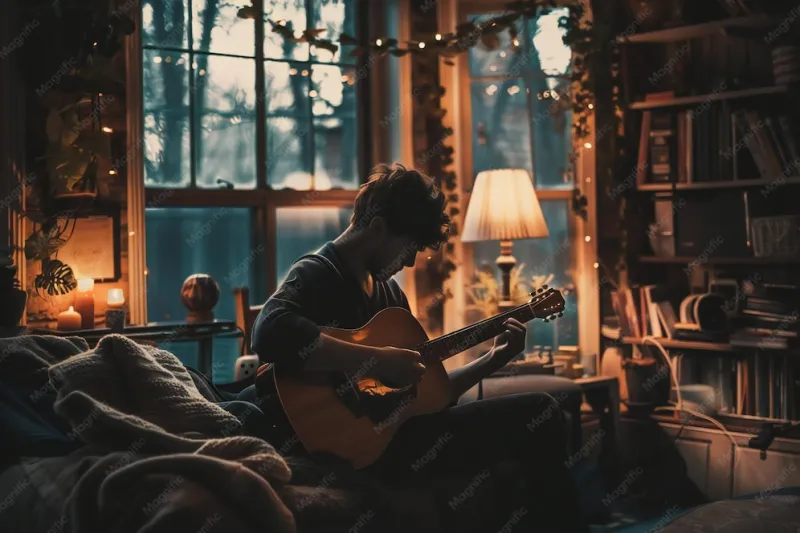
Photo: musician guest staying in cozy home living room guitar on couch, via img.freepik.com
Pull up the contact list on any touring musician's phone and you'll find a category that doesn't exist in any business directory. It's not labeled anything official. It might just be a first name and a city — Carol, Asheville or Big Mike, Lawrence KS — but it represents something that no streaming revenue or venue guarantee can fully replace: a place to sleep, a hot shower, and someone who genuinely wants you there.
The underground host network for touring jam bands is as old as the road itself and as current as a group chat notification. It's informal, deeply personal, and — for a huge swath of touring musicians who aren't selling out theaters — it's what makes the whole thing economically survivable.
How It Actually Works
There's no official platform, no centralized registry. The network runs on reputation, reciprocity, and the kind of trust that gets built one show at a time.
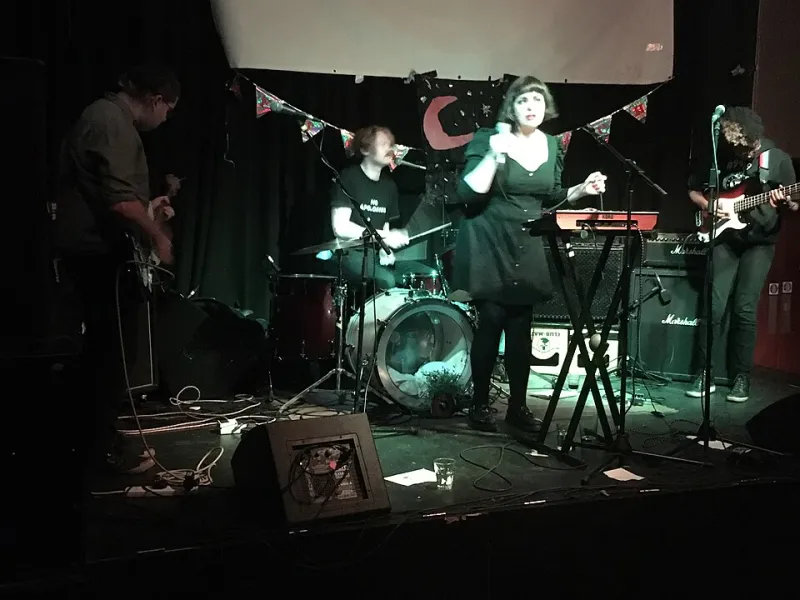
It typically starts at a venue. A band plays a set somewhere in the middle of nowhere — maybe a converted warehouse in Knoxville or a listening room outside of Madison — and someone from the crowd approaches after. They've seen this band before, or a friend vouched for them, or they just loved the show enough to want to extend the night. "You guys need a place to crash?" Four words that carry more weight than they seem to.
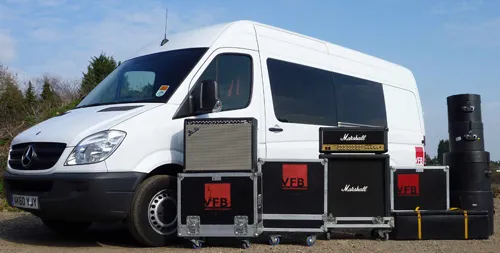
"The first time it happened to me, I didn't know what to say," admits Jonah Pelletier, a guitarist who's been touring with various jam outfits out of Vermont for seven years. "It felt weird to say yes to someone I'd just met. But our van was already packed, we had a 6 a.m. drive, and a hotel would've wiped out the night's guarantee. So we said yes. Woke up to coffee and eggs. That host, Dave, he's still on my list. We stay with him every time we come through Chattanooga."
That's how most of these relationships form — a single gesture that becomes a recurring stop on a mental map that no GPS app has ever charted.
The Hosts Themselves
Who are these people? The short answer: fans who take it a step further.
Some are former musicians themselves, people who remember what it felt like to be on the road with nothing in the gas tank and gratitude for anyone who opened a door. Others are just deeply embedded in live music culture — the regulars, the tapers, the folks who've followed a band across state lines more than once. And a surprising number are venue owners or promoters who've extended their hospitality beyond the stage door.
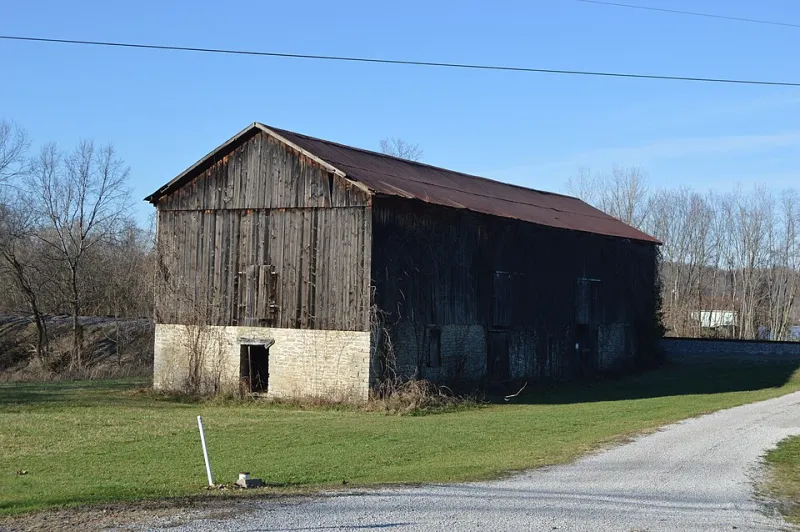
Carla Mendez runs a small farm property outside of Fayetteville, Arkansas, and has been hosting touring bands for nearly a decade. She got into it after a musician friend asked if a band could park their van on her property for a night. "That turned into them sleeping in the barn," she laughs. "Which turned into me putting in a cot. Which turned into a full guest setup with a bathroom and a mini fridge. I didn't plan any of it."
She estimates she's hosted somewhere north of forty bands over the years, ranging from regional acts to outfits that have since gone on to headline festival stages. "I don't do it because I want anything back. I do it because the music scene in this region would be so much smaller without people being willing to open up their space. The bands come back and play better shows here because they feel taken care of."
The Trust Economy
For this network to function, trust has to flow in both directions — and both sides know it.
Bands who abuse the hospitality don't get a second invitation, and word travels fast in tight-knit regional scenes. The unspoken contract is pretty clear: you leave the space cleaner than you found it, you're honest about how many people you're bringing, you don't show up expecting a full production, and you express genuine gratitude — not just a quick thanks on the way out the door.
"We always leave a record or a shirt," says Pelletier. "Something physical, something that says we were here and we valued this. It's not a transaction. It's more like a ritual."
From the host side, boundaries matter equally. The best hosts are clear upfront about what they're offering — a guest room is a guest room, not an open-ended invitation to take over the kitchen. Good communication before arrival makes a huge difference. A quick text exchange about arrival time, headcount, and any needs is the difference between a smooth night and an awkward one.
Digital Age, Human Roots
Social media and apps have changed the texture of this network without fundamentally altering its soul. Facebook groups dedicated to touring musician support, Reddit threads in regional music communities, and even Instagram DMs have made it easier for hosts and bands to find each other — especially when a band is rolling into a city for the first time with no existing contacts.
But the digital layer hasn't replaced the personal vouching system. "I'll always trust a recommendation from someone I know over a stranger online," says Marcus Tate, a drummer who tours the Southwest regularly with a Colorado-based jam act. "If a promoter I've worked with says 'reach out to so-and-so in Albuquerque,' that's worth more than any platform."
Some booking agencies that specialize in the jam and Americana space have quietly started maintaining informal host lists as part of their touring support. It's not advertised, but it's acknowledged. The infrastructure is there; it's just not corporate.
What It Means for the Music
There's an argument to be made that this hospitality network doesn't just support touring musicians financially — it shapes the music itself.
Bands that feel welcomed in a community play differently in that community. They come back. They build real audiences rather than one-night crowds. The host who opens their home becomes part of the story the band carries with them, a node in a network of human connection that stretches from one coast to the other.
"You can't put a dollar amount on waking up somewhere that feels like home, eating a real breakfast, and walking into a venue that night knowing people actually want you there," says Mendez. "That's what I'm giving them. And honestly? That's what they give back to me every time they play."
The road is long and the margins are thin. But somewhere in the middle of that math, there are people with spare rooms and good intentions, keeping the whole thing moving. That's the network. That's the culture. And it's been there, quietly doing its work, long before any algorithm tried to map it.